After a Hailstorm
Knowing what to do after a hailstorm helps a Saxony homeowner. Here is the guidance.
Have the Roof Inspected
After significant hail, it helps to have the roof inspected, since a professional can assess whether the hail caused any effects and whether they are cosmetic or functional. An inspection is wise. It assesses the roof. It gauges any effects. It clarifies the situation. It is the right step.
Cosmetic Versus Functional
The inspection determines whether any hail effects are cosmetic, marking the surface, or functional, affecting performance, which guides any response. It distinguishes the effects. Cosmetic is aesthetic. Functional needs repair. It guides the response. It clarifies things.
Addressing Any Functional Damage
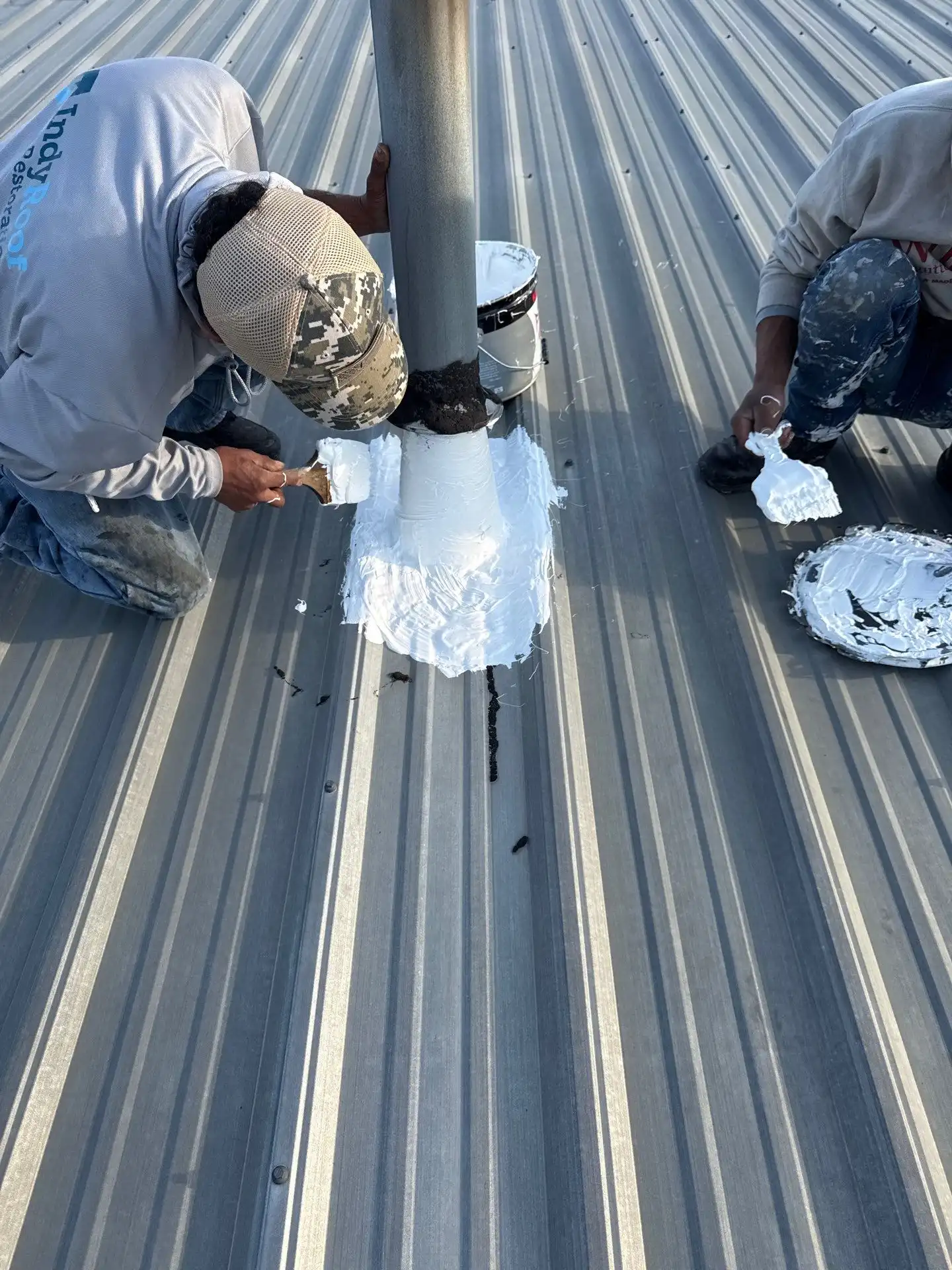
If the inspection finds functional damage, it can be repaired to restore the roof, while cosmetic denting is an appearance matter the homeowner can weigh. Functional damage is repaired. Cosmetic is optional. The response fits the finding. It restores the roof. It addresses the issue.
Documentation if Needed
The inspection can document any hail effects, which may be relevant if a homeowner considers an insurance claim, though coverage depends on the policy. Documentation can help. It records effects. It may aid a claim. Coverage depends on the policy. It is general information, not insurance advice.
Relying on a Professional
Assessing hail effects is best done by a professional, who can gauge the roof and recommend any needed response. A professional assesses it. They gauge the roof. They recommend a response. It is worth their expertise. They guide the homeowner.
After Hail, in Short
After significant hail, have the roof inspected so a professional can determine whether any effects are cosmetic or functional, address any functional damage with repair while weighing cosmetic denting as an appearance matter, and document any effects if a claim is considered, relying on a professional.
One point worth making clear for Saxony homeowners is that metal roofing generally handles hail very well, which is one of the reasons it is a popular choice in areas where hail is a concern, though it helps to understand the full and honest picture rather than assuming a metal roof is completely indestructible. Metal is a durable, impact-resistant material, and as a result a metal roof tends to stand up to hail considerably better than many other roofing materials, which can crack, break, or lose their protective granules when hit by hail. That said, metal is highly resistant rather than entirely immune, because very severe hail can still affect a metal roof, most commonly by causing denting. The crucial thing to understand here is the distinction between cosmetic and functional effects. In many cases, when hail does affect a metal roof, the result is cosmetic denting, which marks the surface of the metal without compromising the roof's water-tightness or its performance, so the roof simply keeps doing its job of protecting the home, and the dents are purely an appearance matter that the homeowner can weigh according to their own preferences. Functional damage, which would actually affect the roof's performance, such as by compromising water-tightness, is much less common and tends to require very severe hail. Because the two can look different and have very different implications, the right way to know which has occurred after a significant hailstorm is to have the roof inspected by a professional, who can assess the roof and determine whether any hail effects are merely cosmetic or whether there is functional damage that warrants repair, which then guides the appropriate response.
It also helps Saxony homeowners to understand what actually influences a metal roof's hail resistance, because there are real factors a homeowner can consider when choosing a roof for a hail-prone area, and how impact ratings fit into the picture. Several factors affect how well a metal roof resists hail. The gauge, meaning the thickness of the metal, is one of the most significant, because a heavier gauge generally resists denting better than a lighter one. The panel profile and surface texture also play a role, because some profiles and textured finishes hide or resist minor denting better than broad, flat surfaces do. And the specific metal and product matter as well, since different metals and products vary in their hardness and impact resistance. This means that a homeowner concerned about hail can improve their roof's hail performance by choosing a product suited to hail resistance, such as a heavier gauge or one carrying an impact resistance rating, with a contractor able to advise on the options best suited to a hail-prone area. On impact ratings specifically, these are a useful tool, because they indicate how well a roofing product resists impact such as hail, with the highest class reflecting strong impact resistance, so a product with a top rating is well suited to areas that see significant hail. An impact rating, combined with quality installation, contributes to a roof that holds up well to hail, and asking a contractor about strongly rated, impact-resistant products is a sensible step for a homeowner who wants the best hail performance, even though no roof of any kind is entirely immune to the most extreme hail.
One point worth making clear for Saxony homeowners is that metal roofing generally handles hail very well, which is one of the reasons it is a popular choice in areas where hail is a concern, though it helps to understand the full and honest picture rather than assuming a metal roof is completely indestructible. Metal is a durable, impact-resistant material, and as a result a metal roof tends to stand up to hail considerably better than many other roofing materials, which can crack, break, or lose their protective granules when hit by hail. That said, metal is highly resistant rather than entirely immune, because very severe hail can still affect a metal roof, most commonly by causing denting. The crucial thing to understand here is the distinction between cosmetic and functional effects. In many cases, when hail does affect a metal roof, the result is cosmetic denting, which marks the surface of the metal without compromising the roof's water-tightness or its performance, so the roof simply keeps doing its job of protecting the home, and the dents are purely an appearance matter that the homeowner can weigh according to their own preferences. Functional damage, which would actually affect the roof's performance, such as by compromising water-tightness, is much less common and tends to require very severe hail. Because the two can look different and have very different implications, the right way to know which has occurred after a significant hailstorm is to have the roof inspected by a professional, who can assess the roof and determine whether any hail effects are merely cosmetic or whether there is functional damage that warrants repair, which then guides the appropriate response.
Get a Post-Hail Inspection
Saxony Metal Roofing inspects metal roofs after hail across Saxony and Hamilton County. Call {phone} for a free inspection to assess your roof after a hailstorm.